
5 Surprising Benefits of Hands-On Learning with Montessori Materials
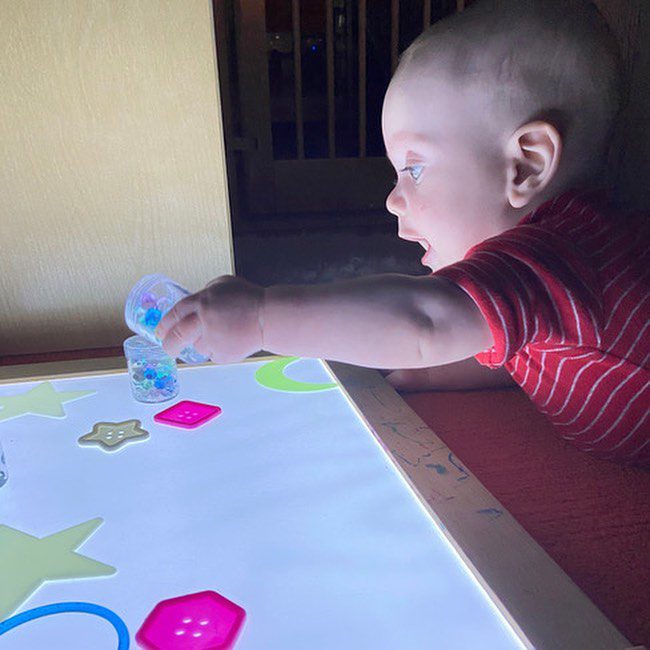
The Montessori approach transforms early childhood education by placing tactile, sensory-rich materials in children’s hands. This method goes beyond traditional learning, nurturing independence, curiosity, and cognitive growth. Discover five surprising benefits of hands-on learning with Montessori materials that can shape a child’s lifelong love of discovery and resilience.
Igniting Curiosity Through Sensory Exploration
Enter any authentic Montessori classroom, and you’ll notice children using all their senses to explore. They touch, smell, listen, and even taste as part of their daily routine. Sensory exploration is foundational in child development, as the brain forms robust neural pathways when multiple senses are engaged together. Research demonstrates that multisensory activities can improve retention by up to 400 percent, making lessons more memorable and meaningful.
Unlike passive screen-based apps, Montessori materials such as sandpaper letters or pink tower blocks invite ongoing exploration and comparison. These tools are crafted from FSC-certified wood and natural textiles, reflecting a growing consumer preference for eco-friendly, sustainable products.
Offer a “mystery bag” filled with objects of various textures for your child to describe before seeing them. Rotate items weekly to maintain interest and stimulate language and math vocabulary.
Building Independence and Practical Life Mastery
One of the most recognized Montessori materials benefits is the emphasis on practical life skills. Activities like pouring water, buttoning coats, or slicing bananas empower children to develop real-world abilities and independence. A 2025 national study confirmed that fostering autonomy in early years directly links to stronger executive function by kindergarten.
In many preschools, daily routines are rushed to prioritize academics. Montessori, however, views every task—wiping a spill or zipping a coat—as valuable work. Children gain confidence through achievement, which carries over into reading, math, and social problem-solving. This self-belief is foundational for lifelong success.
Position a small jug of water and a sponge on a low shelf for self-serve pouring and cleaning. Provide child-sized tools like brooms and peelers, allowing kids to practice realistic tasks safely. Engage your child with seasonal activities, such as watering plants in summer or matching mittens in winter.
Strengthening Focus and Concentration Skills
Sustained attention is often a challenge for young children, but Montessori classrooms foster deep concentration. Children regularly focus on activities for 20 to 40 minutes in a prepared environment. Materials are arranged from left to right and simple to complex, removing distractions and supporting self-directed learning.
Each activity has a defined purpose and a built-in control of error, encouraging children to problem-solve and take pride in self-correction. Only one of each material is available, naturally fostering patience and turn-taking. Studies consistently show that Montessori students demonstrate stronger concentration skills and executive function compared to those in conventional classrooms.
Allow uninterrupted work periods of at least 30 minutes, minimizing adult intervention. Display a limited selection of activities on low shelves and rotate them weekly. Observe quietly to give your child space for self-correction and deeper focus.
Refining Fine Motor and Problem-Solving Abilities
Fine motor and problem-solving skills are seamlessly integrated in Montessori classrooms. Activities like threading beads, manipulating knobbed cylinders, and assembling puzzle maps require precision and logical thinking. Golden beads introduce mathematical concepts long before formal worksheets are introduced.
Selecting challenges that match your child’s developmental stage ensures steady progress. Beginners can use large bead stringing and coin boxes to encourage wrist rotation and coordination. Intermediate children benefit from screw-type boards for bilateral coordination and problem-solving. Advanced learners can work with puzzle maps that combine geography and dexterity.
Cultivating Self-Discipline and a Lifelong Love of Learning
A core Montessori education advantage is cultivating self-discipline. Children select their work, repeat it until satisfied, and return materials to their place, forming habits that support academic and personal growth. Adults serve as gentle guides, fostering intrinsic motivation rather than relying on external rewards.
In mixed-age Montessori classrooms, older children mentor younger peers, which research links to increased empathy and reduced stress. At home, parents can mirror this approach by offering respectful choices and celebrating effort rather than outcomes.
Create “yes-spaces” where your child’s choices are honored. Use trays to define activity boundaries, making cleanup easier for children. Recognize persistence and effort to nurture a growth mindset.
Empowering Your Child’s Journey with Montessori
Hands-on learning Montessori style is more than just beautiful materials—it is a comprehensive approach that ignites curiosity, fosters independence, strengthens focus, enhances dexterity, and nurtures self-discipline. These five surprising benefits create a foundation for child-centered learning and lifelong resilience.
Consider what your preschooler needs most right now: greater independence, deeper focus, or a safe way to explore new textures. Montessori Magpie is here to support you with premium resources, local insights, and a welcoming community. Please get in touch to get more information.
References
Hands-On Learning in Montessori Why It Works
Massive national study shows public Montessori improves outcomes, reduces costs
Montessori – Healthy Minds, Better Outcomes, Lower Costs
Preparing children for lifelong success the real-world benefits of Montessori education
Best-kept secret in public education costs less with better results
2025 Montessori Trends Market Growth, Top Toys & Future Outlook